Wolves invade Finnish Villages.Their Forest Home Destroyed for AI Data Centers
Finnish regulators halted Google data center construction after forest clearing drove wolves into nearby villages — a case study in why AI infrastructure needs real environmental standards.
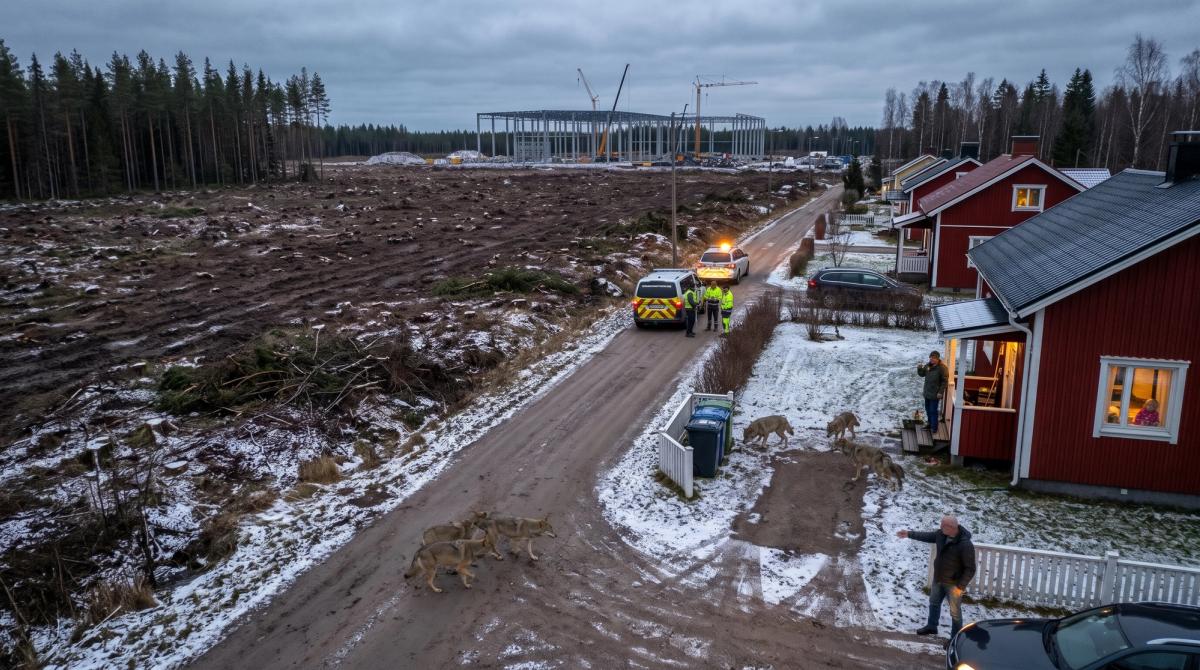
Finland's environmental regulator ordered a halt to work at two Google-linked data center sites in Muhos and Kajaani this month after conservation groups documented hundreds of hectares of forest cleared — reportedly without the environmental impact assessment required for projects of that scale. In the weeks since, residents near Otanmäki say the disruption has gone from paperwork to the front yard: with their forest habitat gone, wolves and other wildlife have begun moving into nearby villages. Locals also report streams running brown with sediment and rare bird species displaced from the area.
Google has acknowledged "shortcomings" in the project and says it will comply with the regulator's findings, while continuing biodiversity commitments that include replanting roughly 130 hectares at the Muhos site. But the sequence of events — construction first, environmental accounting after the fact, enforcement only once residents and conservationists sounded the alarm — is the pattern AIforE's work on open environmental-impact specifications is meant to break. A credible, independently verifiable standard for assessing a data center's land, water, and habitat footprint before construction begins would give regulators, communities, and AI developers themselves a shared baseline to plan against, instead of a forest to apologize for afterward. Biodiversity and land-use impact deserve the same measurement rigor that's increasingly applied to carbon and energy — and AIforE sees this case as a clear argument for extending sustainable-AI certification beyond the server room to the construction site.
Source: The Guardian